

You can write to someone in prison in England and Wales as often as you like: normally there is no limit. Put their prisoner number on the envelope. Most letters in and out are checked by prison staff. If you want something to arrive sooner, Email a Prisoner costs 40p and is printed out and handed over.
One thing changed in August that most guides on this subject have not caught up with. The rest is the practical detail, and where to go instead.
What do you put on the envelope?
In England and Wales you write to the person at the address of the prison holding them, with their name and prisoner number on the envelope. The published guidance is that normally there is no limit on the number of letters you can send, and that most letters to and from prison are checked by prison staff. Letters from solicitors and courts are the exception: prisons cannot open them except in special cases, for example if they suspect a letter is not really from a legal adviser. A letter costs the person receiving it nothing, and nothing comes off their phone credit. If you want a message to arrive faster than the post, Email a Prisoner costs 40p a message, and it is printed out and delivered by prison staff (GOV.UK, Staying in touch with someone in prison).
The prisoner number is where people get stuck. It is issued on reception. If you do not have it, there is an official route to ask, set out in how to find out which prison someone is in. If the arrest was only days ago, what happens in the first few days covers the usual order of things.

Can you still write through the Samaritans?
No. PSI 49/2011, the instruction covering prisoner communication services, was re-issued on 27 August 2026 and three paragraphs were removed. The revision note gives the reason: "amended to reflect the fact that Samaritans will cease to offer their correspondence service from August 2026. Paras 14.12 – 14.14 was deleted." (HMPPS, PSI 49/2011, re-issued 27 August 2026).
That is all the document says, and it is more than most pages online still say. If that was the route you had in mind, better to know now than after a letter goes unanswered.
What still exists is free family support. The Prisoners' Families Helpline, run by Pact, is the national line for families in England and Wales. Pact runs family support and visits work; POPS covers the North West; NICCO and Barnardo's work with children who have a parent in prison. The Prison Reform Trust keeps a plain guide to the rules.
Who reads your letter before they do?
Prison staff, in most cases. GOV.UK is direct about it: most letters to and from prison are checked. It is routine, and it is not a comment on the person you are writing to. So write as though a member of staff may read it, because one may.
The exception is legal correspondence. Prisons cannot open letters from solicitors and courts, other than in special cases such as a suspicion that a letter is not genuinely from a legal adviser. Legal contact is treated separately on the phone as well: under PSI 49/2011 a prisoner must not be charged for adding or deleting legal numbers.
What if your letters are not arriving?
Complain to the prison. GOV.UK says so plainly, both for letters that are not arriving and for letters being read when they should not be. Put it in writing, with the dates you posted. If you get nowhere, the Prisoners' Families Helpline handles this kind of problem and costs nothing to ring.
Is Email a Prisoner quicker than the post?
Usually, but it is not email in the ordinary sense. You cannot email someone in prison directly, and prisoners cannot access social networking sites. A message through Email a Prisoner costs 40p, you buy credit to use it, and staff print it out and deliver it. In some prisons the person can reply and attach a photo. It is not ours.
Speed depends on the prison, so the useful comparison is cost and who can start it.
| route | what it costs | who can start it |
|---|---|---|
| Letter by post | a stamp; nothing off their phone credit | you, whenever you like |
| Email a Prisoner | 40p a message | you; replies only in some prisons |
| Secure video call | 1 free video call a month | either of you; staff schedule it |
Secure video calls run in some prisons, from your own mobile or tablet, and last up to 30 minutes. You must be over 18 and on their list of friends and family. All video calls are recorded, and staff may watch them as they happen (GOV.UK, Visit a prisoner using a video call).
The phone is the route the person in prison pays for, and the rate their calls to you are charged at is the one part of it you can change.
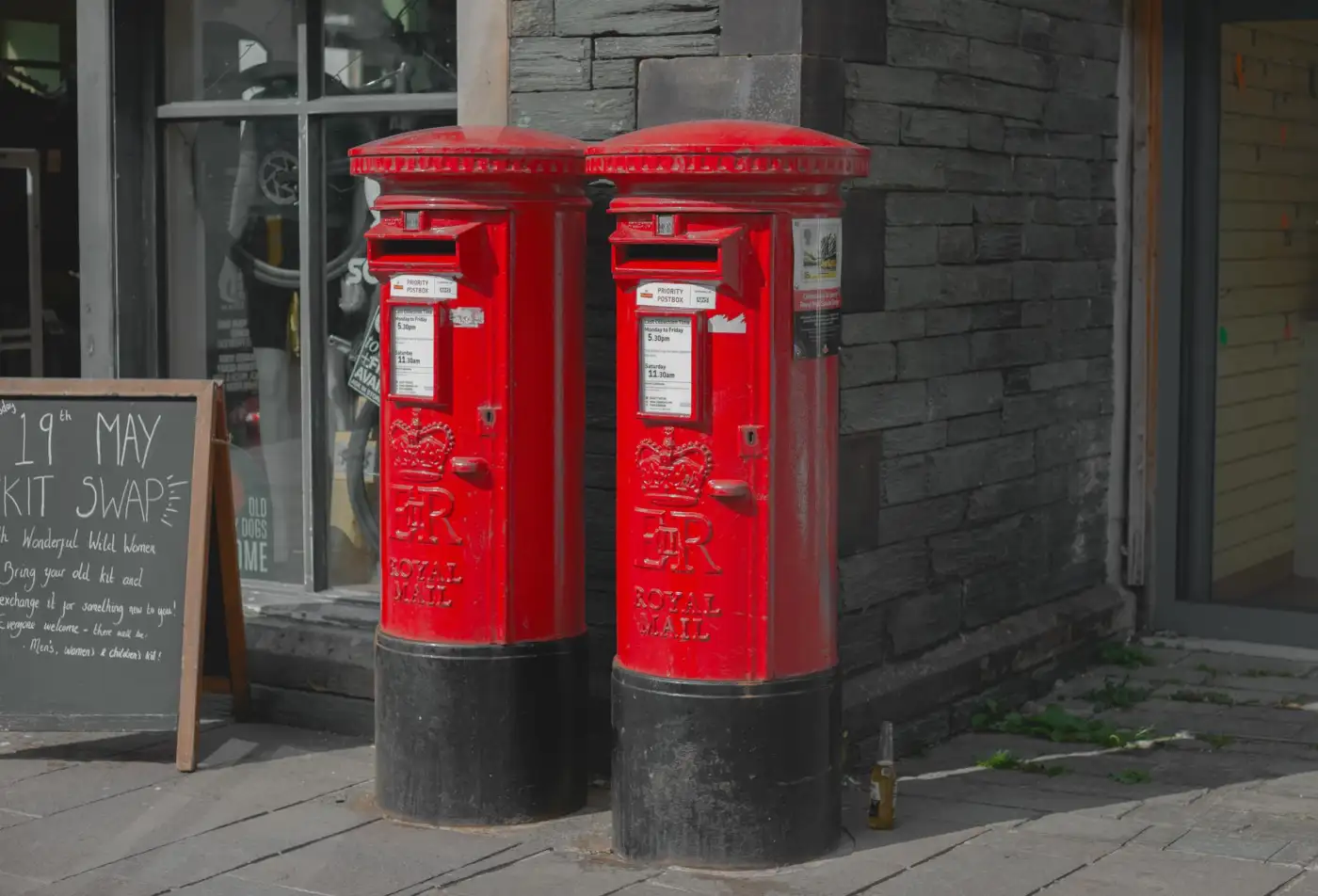
What can you send inside the envelope?
The honest answer is that we cannot tell you. GOV.UK's guidance covers letters and checking, but publishes no national list of what may be enclosed, and enclosure rules are applied locally. What one prison allows is not proof that the next one does. So ring the prison before you send anything other than a letter, or ask the Prisoners' Families Helpline. Guessing is the expensive option here, because you find out you were wrong only after it has gone.
What a letter does that a phone call cannot
A letter depends on neither their credit nor the phone list. They can only ring numbers added as approved social contacts, and PSI 49/2011 is blunt about the other direction: "The PINphone system does not accept incoming calls."
There are also things the phone is not for. Under the same instruction, prisoners may not make commercial enquiries, order goods or call the operator, and are not given telephone directories. That goes by post.
A call is charged, and it is charged to them. In England and Wales, since 1 April 2025, a call to a UK landline costs 2.48p a minute on a weekday and 2.2p at the weekend; a call to a UK mobile costs 5.5p and 3.6p. The rates come from a 20% reduction negotiated between the Ministry of Justice and BT (Inside Time, 14 July 2025). By our arithmetic, £10 of credit buys about 403 weekday minutes to a landline and about 181 to a mobile. A little over twice as long, from the same money.
Closing that gap is the whole of what we sell. We provide a real UK geographic landline number, 01 or 02, regulated by Ofcom, forwarding to a UK mainland mobile. The person in prison submits it through the prison's normal process, and the prison decides. It can refuse, and some do: published HMPPS policy directs that requests to add "numbers linked to call diversion and re-routing services, must be restricted" (HMPPS, Interception, Monitoring and Security of Prisoner Communications Policy Framework, 11 August 2026). Calls are still recorded and monitored as usual. Only the rate changes. The other routes in and out are set out in how to contact someone in prison.
If a cheaper number has been sold to you before and the saving never showed up, check the arithmetic against your own calls.

Frequently asked questions
The four that come up most, answered from published guidance.
Do I need the prisoner number to send a letter?
Write it on the envelope. GOV.UK says to put the prisoner number on the envelope, with their name and the prison address. If you do not have it yet, there is an official service for asking where someone is being held.
How many letters can I send?
As many as you like. GOV.UK says there is normally no limit on the number of letters you can send to someone in prison in England and Wales. What may be enclosed is set locally, which is a separate question from how often you write.
Can I email someone in prison directly?
No. GOV.UK is explicit that you cannot email prisoners directly, and that prisoners cannot access social networking sites. The route is Email a Prisoner, at 40p a message, printed out and delivered by staff. In some prisons the person can reply and attach a photo.
Can I still write through the Samaritans correspondence service?
No. PSI 49/2011 was re-issued on 27 August 2026 and paragraphs 14.12 to 14.14 were deleted, the revision note recording that Samaritans will cease to offer their correspondence service from August 2026. The family support organisations listed above are still running.
If a lower rate would make the phone worth using more often, the plans are sold as bundles of minutes.
A letter is the one thing you can send today that needs neither their credit nor a number on their approved list.